Bacteria Studies
Advancing a regional approach to detecting sewage contamination.
Bacteria pollution is a leading cause of water quality impairments and beach closures. Understanding the source is necessary to direct pollution reduction efforts, yet identifying those sources can be challenging and costly. While bacteria can originate from a variety of sources, human sewage is a common contributor to elevated bacteria levels in many urban waterways. We’re partnering with municipalities, engineering firms, and the University of Wisconsin–Milwaukee School of Freshwater Sciences McLellan Lab to develop a more consistent, science-based, and cost-effective way to determine the source of bacteria contamination and help communities focus resources where they can have the greatest impact.
Field Sampling and Source Tracking
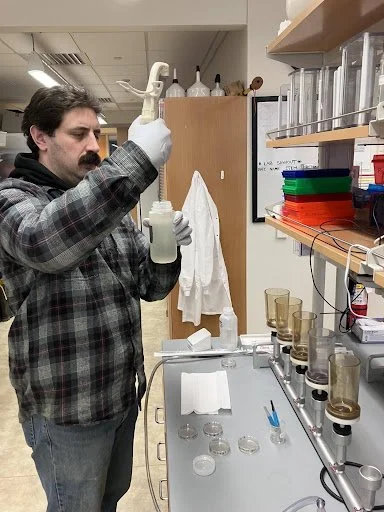
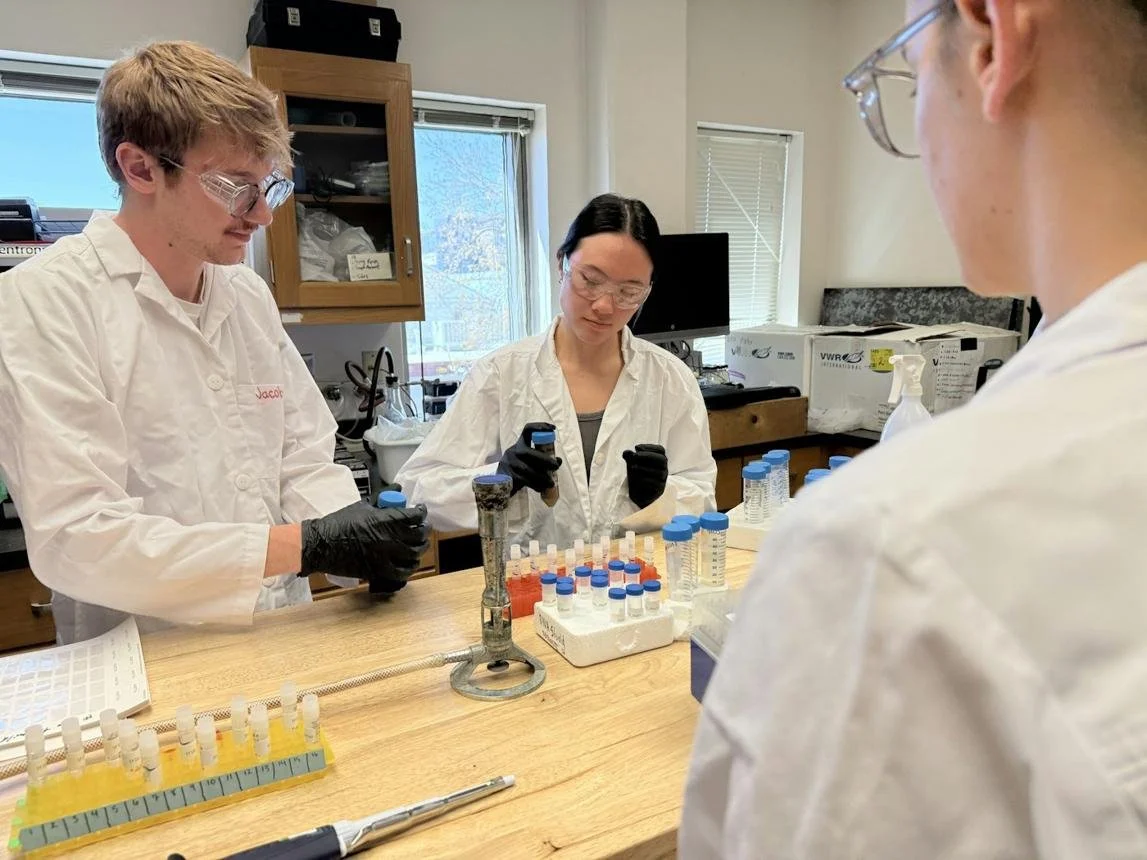
Sweet Water supports bacteria source tracking through field investigations, sample collection, and coordination with municipal IDDE programs. Samples collected from outfalls and waterways are analyzed using advanced laboratory methods to identify indicators of human sewage contamination. The resulting data helps improve source tracking methods and strengthen the tools available to identify and address bacteria contamination.
This collaboration brings together field investigations, laboratory analysis, and local knowledge to better understand bacteria contamination and improve source tracking methods. As new data are collected and analyzed, project partners evaluate results, refine sampling approaches, and strengthen the consistency and reliability of detection tools.
From Research to Regional Action
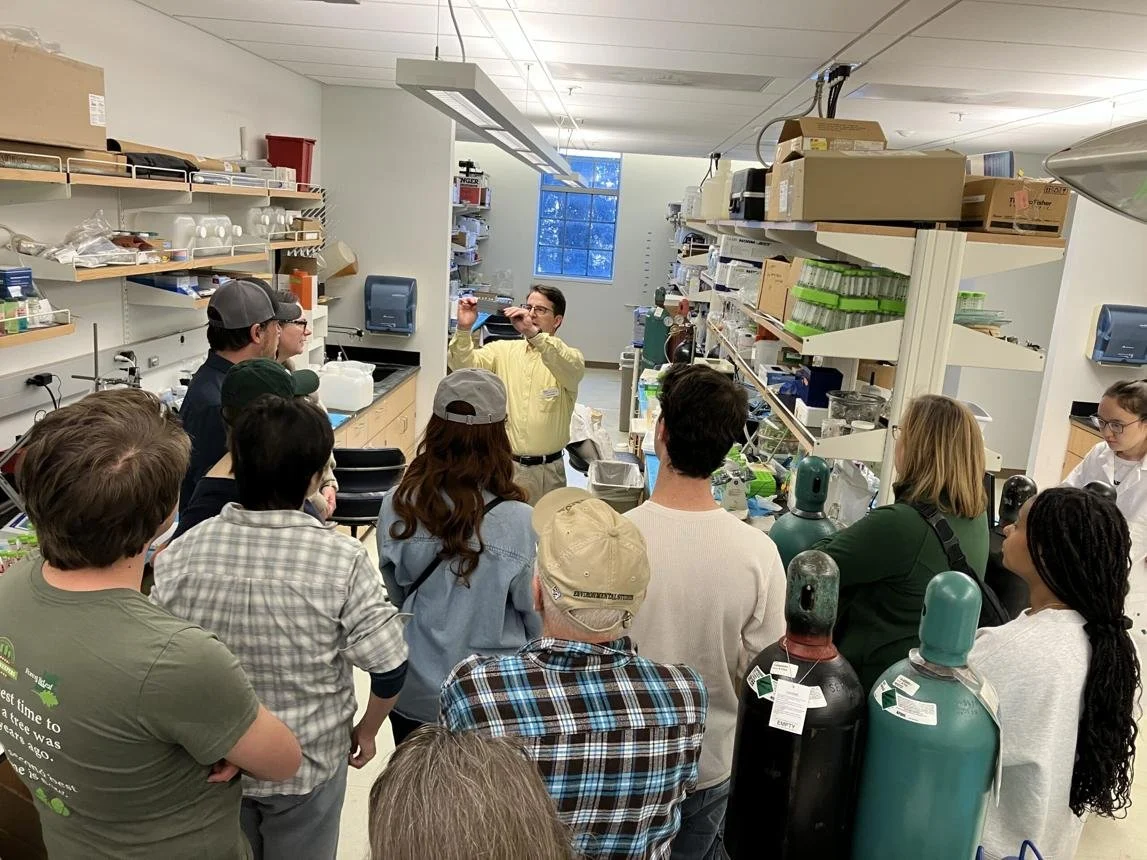
Sweet Water helps connect emerging research with municipal practice through training, workshops, and technical discussions, ensuring communities can apply the latest science to support stormwater management and water quality goals. By bringing together researchers, municipalities, and practitioners, this collaborative effort helps translate scientific findings into practical tools and approaches that inform MS4 permit implementation, guide infrastructure investigations, and improve water quality across southeastern Wisconsin.